
Tea is often marketed as a shortcut to “glowing,” “youthful” skin. The evidence is much less dramatic.
Human research suggests that green tea catechins may influence some UV-related skin responses, but the clinical evidence for visible anti-aging effects is limited and mixed. Drinking tea can also contribute to your daily fluid intake, but that is not the same as proving that tea removes wrinkles, clears acne, reverses sun damage, or makes skin visibly younger.
The useful takeaway is simple: enjoy tea as a beverage, not as a replacement for sunscreen, moisturizer, medical treatment, or evidence-based skin care.
The short answer: can drinking tea improve your skin?
Possibly in some narrow ways, but the strongest marketing claims outrun the research.
Green tea has been studied more than most other teas because it contains catechins such as EGCG. Small controlled trials and reviews have reported changes in markers related to UV-induced redness or skin antioxidant defenses.
But those findings do not prove that ordinary cups of tea will visibly reverse aging, erase wrinkles, treat acne, or protect you well enough to skip sun protection.
A two-year randomized placebo-controlled trial of oral green tea polyphenols found some interim changes in measures such as erythema, but the treatment was not superior to placebo for overall clinical or histologic photoaging after 24 months.
That is a useful reality check against “youthful skin” promises.
Why green tea gets most of the attention
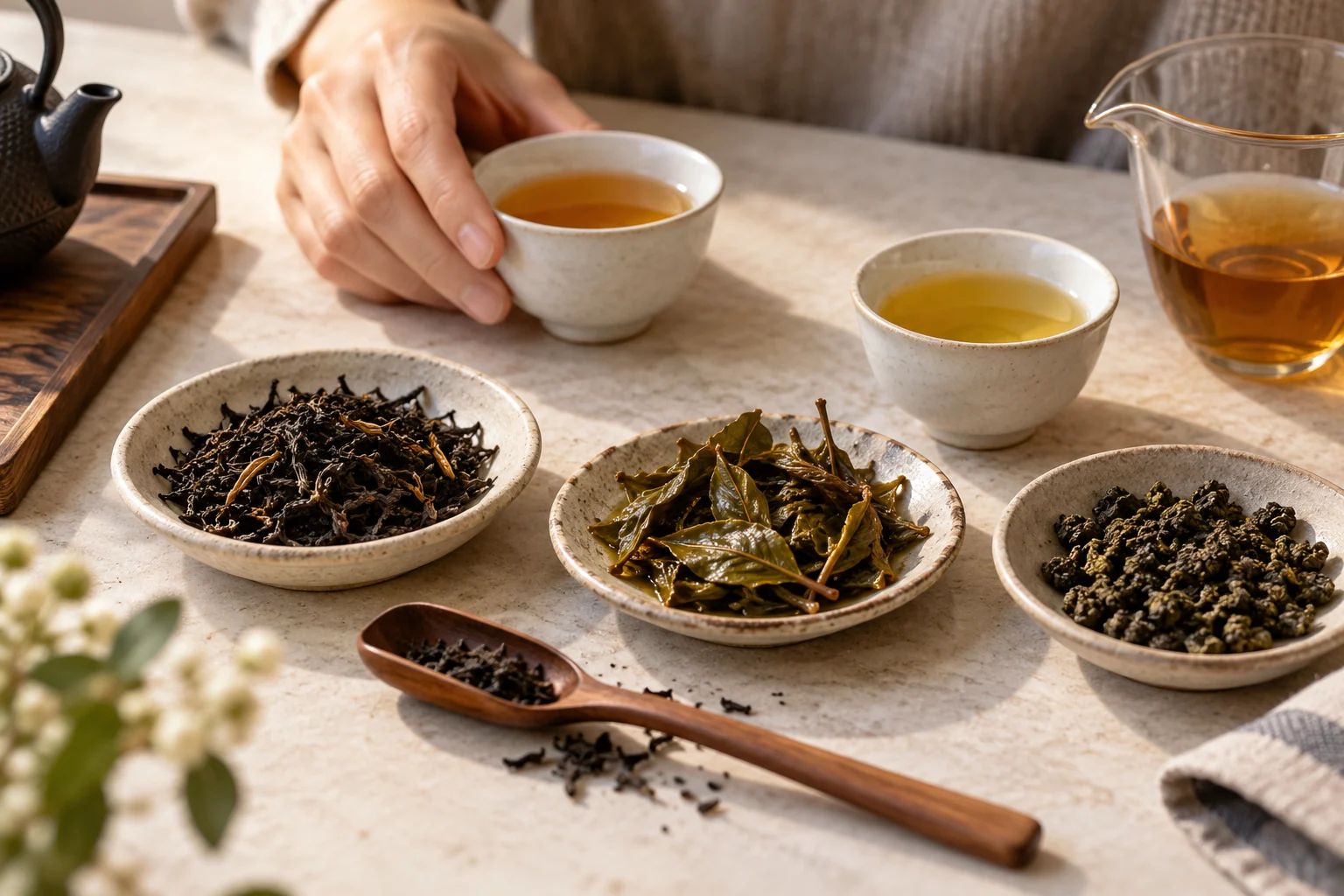
True teas all come from Camellia sinensis, but their processing changes flavor and chemical composition.
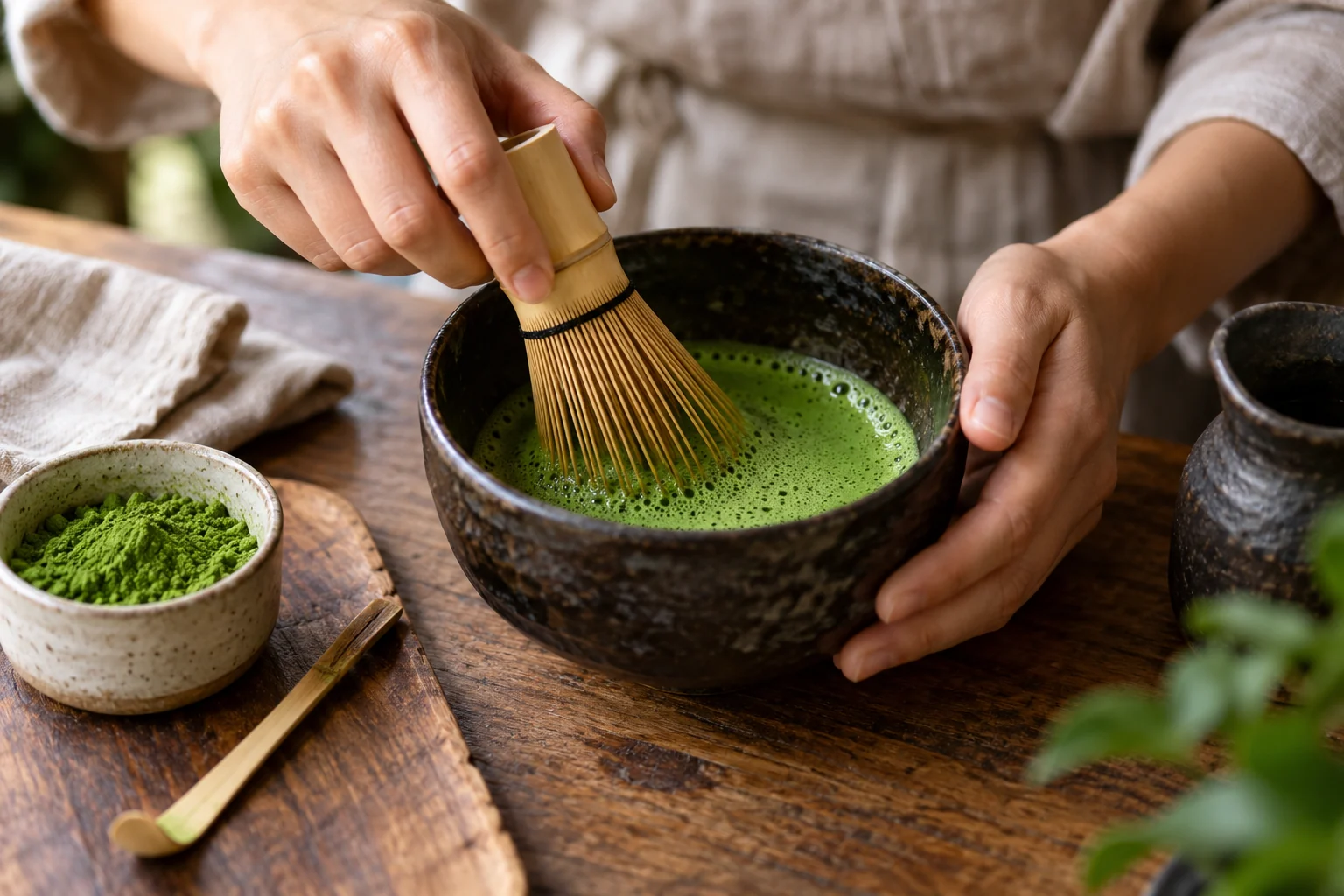
Green tea is heated relatively early after harvest, which limits oxidation and helps preserve a high concentration of catechins. Those compounds have antioxidant and anti-inflammatory activity in laboratory research, which is why green tea has attracted so much interest in skin studies.
That biochemical plausibility is interesting, but a compound doing something in a test tube is not the same as a cup of tea producing a visible result on human skin.
For a clearer introduction to tea categories and flavor, see Tea Tasting for Beginners: Aroma, Body, Astringency & Flavor and What Is Oolong Tea? A Guide to Styles, Flavor, and Brewing.
What human studies say about UV-related skin response
A 2021 systematic review and meta-analysis examined randomized controlled studies of oral green tea catechins and UV-induced erythema. Six studies with a total of about 100 participants were included in the analysis, and the pooled results suggested a modest protective effect against low-intensity UV-induced redness.
A broader 2022 systematic review of oral green-tea preparations reached a cautious conclusion: the most consistent clinical evidence involved UV-induced skin changes, while evidence for other skin outcomes was limited, conflicting, or methodologically weak.
That is not the same thing as saying green tea functions like sunscreen.
The American Academy of Dermatology recommends broad-spectrum, water-resistant SPF 30 or higher plus shade and protective clothing to reduce sunburn, skin cancer risk, and premature skin aging. Tea does not replace those measures.
What about wrinkles and “anti-aging” claims?
This is where marketing language becomes especially slippery.
A small eight-week randomized study combining oral green tea supplementation with a topical green tea cream found histologic changes in elastic tissue but no meaningful improvement in clinical photoaging scores. Because it combined oral and topical treatments, it cannot tell us what drinking tea alone accomplished.
A larger two-year oral-supplement trial also failed to show that green tea polyphenols were superior to placebo for overall photoaging at the end of the study.
Those results make it inappropriate to promise that drinking green tea will visibly reverse wrinkles or make skin “younger.”
The better-supported everyday anti-aging strategy is much less glamorous: consistent sun protection. The AAD identifies UV exposure as a major driver of premature skin aging and recommends daily protection rather than relying on dietary supplements or beverages.
Does tea hydrate your skin?
Brewed tea contributes fluid to your daily intake. For most people, the caffeine in a normal serving does not magically cancel out the water in the drink.
But “tea helps you stay hydrated” should not be stretched into “tea hydrates your skin from the inside and removes fine lines.” Skin hydration depends on many factors, including the skin barrier, environment, cleansing habits and topical moisturizers.
If your goal is dry-skin relief, a cup of tea may be part of normal hydration, but it is not a substitute for appropriate skin care or evaluation of persistent dryness.
Green tea is not the only true tea
Black, oolong, white and green tea all come from the same plant, but green tea has the largest skin-specific human evidence base among commonly discussed teas.