Coffee · Jan 13, 2025

Single-Origin Coffee: What It Means and How to Read the Bag

Learn what single-origin coffee really means, how country, region, farm and lot traceability differ, and why single origin is not automatically better than a blend.

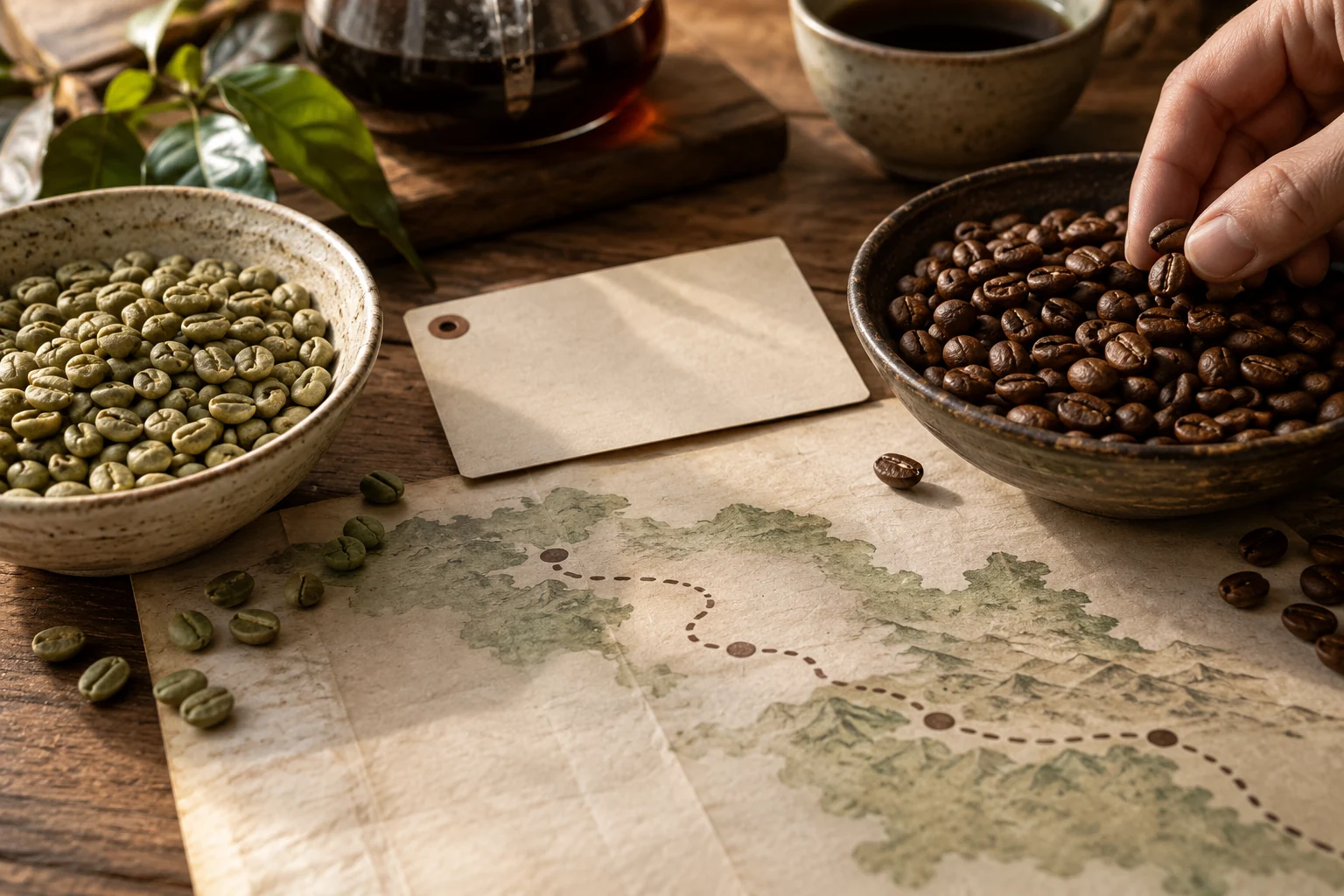
Green and roasted coffee samples sit beside a plain lot card and an abstract traceability path on cool archival paper.
AI-generated editorial illustration.

Single-origin coffee means the coffee is presented as coming from one stated source rather than being intentionally blended from multiple origins. But “one source” can mean very different things. It might refer to one country, one region, one cooperative, one washing station, one farm or one individual lot.

That is why the phrase is useful but incomplete. The real question is: How specific is the origin claim, and what else does the bag tell you?

Single origin is not a universal quality grade, and it does not automatically mean a coffee will taste better than a blend.

Single origin is a traceability idea, not a flavor promise

Coffee buyers and drinkers often value single-origin coffees because the label can connect a cup to a more specific place, producer or lot.

That added information can help you compare how:

  • growing region
  • coffee species and variety
  • elevation and local conditions
  • processing method
  • harvest
  • roasting

shape the final cup.

But origin is only one part of coffee quality. The Specialty Coffee Association’s current definition of specialty coffee explicitly recognizes both intrinsic attributes such as flavor, aroma and mouthfeel and extrinsic information such as origin, producer, growing practices and processing.

In other words, origin information has value — but it is not the same thing as a guarantee of deliciousness.

“Single origin” can describe several levels of specificity

There is no single global labeling rule that makes every use of “single origin” equally precise.

Think of traceability as a ladder.

Country level

Example:

  • Ethiopia
  • Colombia
  • Kenya
  • Brazil

This is the broadest form. A country can contain many growing regions, climates, varieties, processing traditions and producer structures.

A country name is useful, but it should not be treated as one flavor profile.

Region level

A bag may name a more specific growing area.

That narrows the context, but regional coffees can still include production from many farms or communities.

Cooperative or washing-station level

In many coffee-growing regions, smallholder producers deliver cherry to a shared cooperative, mill or washing station.

A coffee identified this way can be highly traceable even though it does not come from one farm.

Farm or estate level

A farm-level coffee identifies a specific producer or estate.

This can provide useful information about varieties, processing, farm practices and harvest conditions.

Microlot or separated lot

A smaller lot may be kept separate because of harvest date, field, variety, processing experiment, producer or quality selection.

This can be the most specific form of traceability on a retail bag, but “microlot” is not automatically a guarantee of quality either.

Why origin can affect flavor

Coffee is an agricultural product. Genetics and environment matter.

World Coffee Research documents substantial diversity among Arabica and Robusta varieties, including differences in agronomic performance and quality potential. Research on geographic traceability also shows that origin can be associated with measurable chemical and sensory differences.

But the cup you drink is the result of many interacting variables:

  • species and variety
  • soil and climate
  • elevation
  • ripeness at harvest
  • processing
  • fermentation
  • drying
  • storage
  • roasting
  • brewing

So avoid claims such as “all Ethiopian coffee tastes floral” or “all Colombian coffee tastes like caramel.” Those patterns can sometimes be useful starting references, but they are not rules.

Single origin versus blend: neither is automatically better

A blend combines coffees from more than one source for a specific purpose.

A roaster might blend to create:

  • consistency across seasons
  • a particular espresso profile
  • a balance of acidity, sweetness and body
  • a house style
  • a more stable year-round product

A single-origin coffee can emphasize traceability and distinctiveness. A blend can be deliberately engineered for balance and consistency.

Both can be excellent.

The better choice depends on what you want from the cup.

When single-origin coffee is especially useful

Single origin is valuable when you want to learn through comparison.

For example, you can compare:

  • the same country across two regions
  • the same variety across different farms
  • washed versus natural processing from one region
  • two harvests from the same producer
  • one origin roasted by two different roasters

Those comparisons teach you more than treating the phrase “single origin” as a premium badge.
How to read a single-origin coffee bag

The best bags tell you more than a country.

Look for the following.

Origin

How specific is it?

Country only, or region, producer, cooperative, station, farm and lot?

Variety

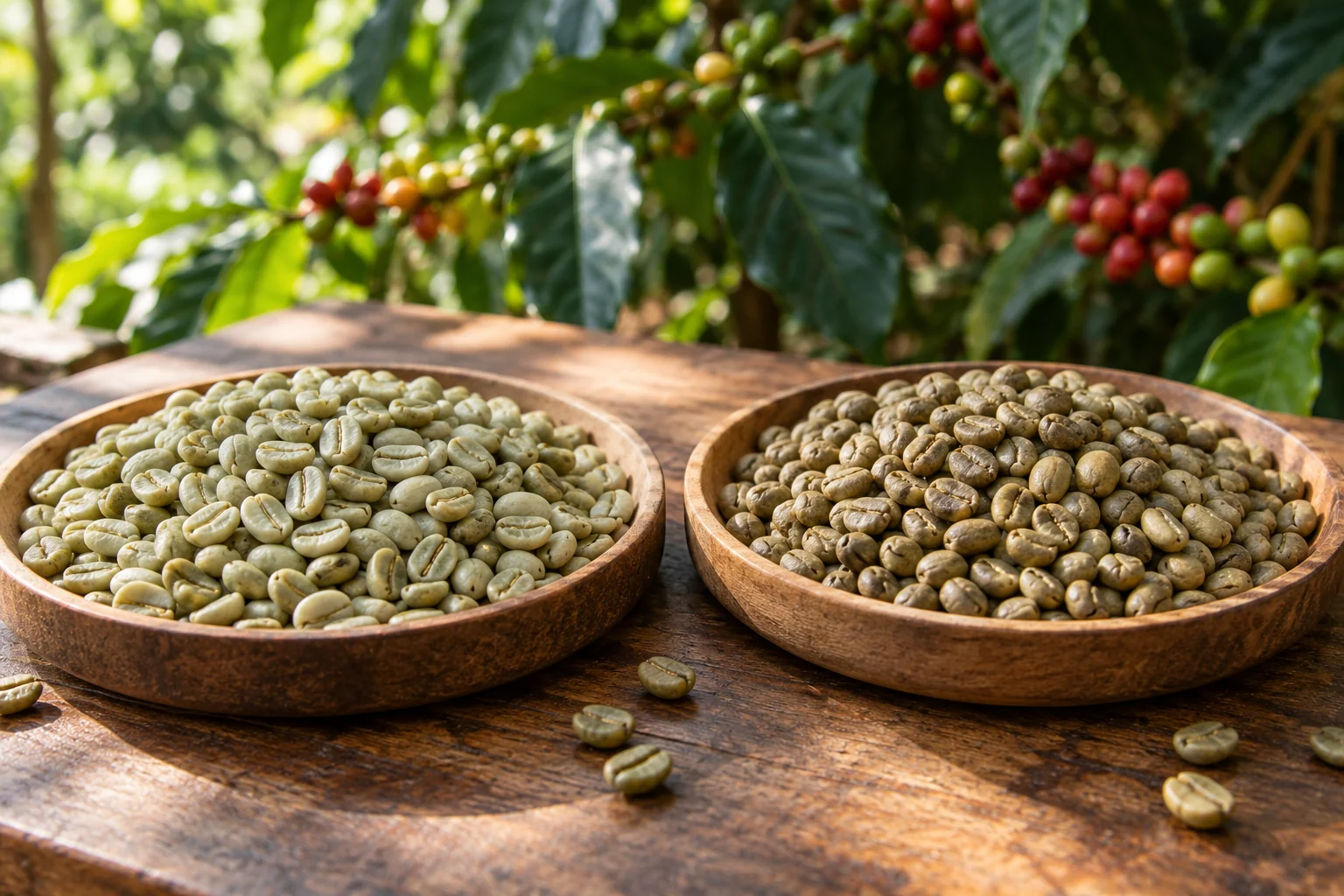
Variety can matter because coffee genetics affect plant behavior and quality potential. World Coffee Research maintains a global catalog documenting Arabica and Robusta varieties.

Processing method

Common labels include:

  • washed
  • natural
  • honey/pulped natural
  • anaerobic or other controlled fermentation styles

Processing can strongly shape aroma and flavor, so it deserves as much attention as country name.

Harvest information

Some bags list harvest season or crop year.

That can help you understand freshness and seasonality, especially for coffees that rotate through a roaster’s menu.

Roast date

Roast date does not tell you origin, but it is useful practical information when comparing coffees.

Tasting notes

Treat tasting notes as the roaster’s sensory description, not a list of ingredients.

Use them as expectations to test against your own palate.

Does single origin always mean lighter roast?

No.

Many specialty roasters use lighter or medium roast profiles to preserve more origin-specific character, but single-origin coffee can be roasted across a wide range.

A dark roast can still come from one origin. The heavier the roast development, however, the more roast-driven flavors may dominate what you perceive.

For the roast side of this question, see Coffee Roast Levels Explained: Light vs. Medium vs. Dark.

What brew method is best for single-origin coffee?

There is no required method.

Pour-over is popular because it can emphasize clarity and aromatic detail, but excellent single-origin coffee can also be brewed with:

  • drip machines
  • AeroPress
  • French press
  • espresso
  • cold brew

Start with the roaster’s guidance if available, then adjust based on taste.

If a coffee tastes thin, sour or hollow, grind/extraction may be the problem rather than the origin itself. See Coffee Grind Size Guide: Match the Grind to Your Brew Method for a practical tuning guide.

A better way to explore origin: taste side by side

Buy two coffees that differ in one meaningful way.

Good comparison ideas:

  • same country, different regions
  • same region, different process
  • same variety, different producers
  • single origin versus a blend from the same roaster

Brew them with the same water, ratio and method.

Then compare:

  • aroma
  • perceived acidity
  • sweetness
  • body
  • bitterness
  • finish
  • familiar flavor associations

The goal is not to guess origin blind. It is to learn what information on the bag actually connects to what you taste.

For a simple sensory method, use Coffee Tasting for Beginners: Aroma, Acidity, Body & Flavor.

Does more traceability mean the farmer was paid more?

Not necessarily.

More detailed origin information can improve transparency, but the bag alone does not prove a specific price, contract structure or producer income.

If producer compensation matters to your buying decision, look for specific sourcing information from the roaster or importer rather than assuming “single origin” guarantees a particular economic outcome.

Traceability and trade terms are related questions, but they are not the same question.

Bottom line

Single-origin coffee tells you that the coffee is being presented as coming from one stated source, but the scale of that source can range from a country to an individual lot.

Use the label as an invitation to look deeper:

  • How specific is the origin?
  • Is the producer or station named?
  • What variety is it?
  • How was it processed?
  • When was it harvested and roasted?
  • What does the roaster expect it to taste like?

Single origin is not automatically better than a blend. Its real value is that stronger traceability can make coffee easier to understand, compare and appreciate.

Sources and further reading

Keep exploring

Related Brew Sip Repeat stories

← Back to the story library
↑